For HR, People, Inclusion, Occupational Health and line managers
The government's neurodiversity report, explained for employers
Professor Amanda Kirby chaired the expert panel behind the report, published by the Department for Work and Pensions. In this briefing she talks through the findings with Susie Philips-Baker, Lexxic's Chief Psychologist, and what they mean for how your organisation supports employees.
What you'll take away
- Why the report backs needs-led support, rather than waiting for a diagnosis
- What the evidence shows about neurodivergent people in work
- What it means for your adjustments process, policies and line managers
- Practical first steps your organisation can take
Watch the briefing now
Enter your work details and you'll go straight to the recording.
Who this briefing is for
It's written for the people responsible for supporting employees at work.
HR leads
An adjustment request arrives with no diagnosis attached. Know what good looks like, and how to make your process consistent.
People, Inclusion and Wellbeing leads
Move your neuroinclusion strategy beyond awareness, and brief your leadership team on what the report means.
Occupational Health teams
Hear the evidence behind needs-led support, and what it means for referrals where there is no diagnosis.
Line managers
Someone in your team is struggling. Understand what support could look like, and what you can do next.
Why employers are paying attention
of disabled autistic people were in work in 2024/25
of disabled people overall were in work, a 21-point gap
The report broadens the earlier Buckland Review from autism to all neurodivergent conditions, and backs a needs-led, person-centred approach. For employers, that means rethinking how support is offered. Read the report on GOV.UK
Your speakers
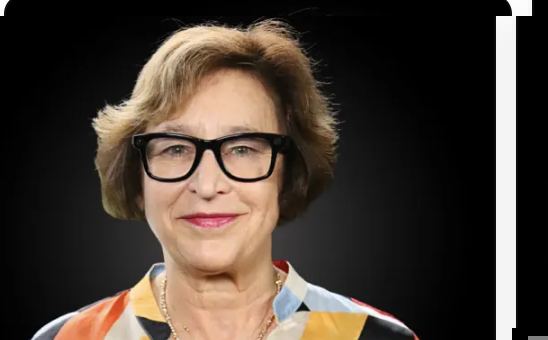
Professor Amanda Kirby
Chair, Expert Academic Panel on Neurodiversity
Amanda chaired the panel whose report and recommendations were published by the Department for Work and Pensions. She is a leading voice on neurodiversity and the founder of Do-IT Profiler.
Susie Philips-Baker
Chief Psychologist, Lexxic
Susie brings the findings back to practice: what they mean for employers day to day, and how organisations can start putting the recommendations into action.
“We had people saying they'd been struggling for years, keeping it masked. All of the reports were pointing to the same thing: we needed proper training. Something a little bit more robust and substantial.”
— Debbie Appleton, Group Inclusion Lead, Torus Group
TrainingLooking for support for yourself? This briefing is written for employers. If you'd like an assessment or support for yourself, see our assessments.
20 minutes. Free. Watch it today.
Hear what the report means for your organisation, from the person who chaired the panel behind it.